
Quick Summary
While routine duct cleaning is often unnecessary, New England homeowners can achieve up to 20% higher HVAC efficiency and cleaner indoor air by addressing sticky, humidity-bound debris with a comprehensive system cleaning from Summit Air Duct Cleaning Service Springfield. To avoid dispersing contaminants, the EPA recommends cleaning all system components, including cooling coils and blower fans, using professional negative-pressure extraction rather than basic rotary brushes that merely smear damp dust. Homeowners can secure these performance and air quality benefits by contacting Summit Air Duct Cleaning Service Springfield at (877) 542-2150 to schedule same-day service or request a free estimate with a 10% discount for new service calls.
When Duct Cleaning Is Beneficial: EPA-Backed Guidance for Cleaner Air
If you are looking into the benefits of cleaning ducts, you have likely run into a lot of conflicting information. While some marketing promises immediate health benefits and lower utility bills, the EPA points out that routine duct cleaning is actually unnecessary for most homes. Instead, duct cleaning should be approached on an as-needed basis when specific triggers are present.
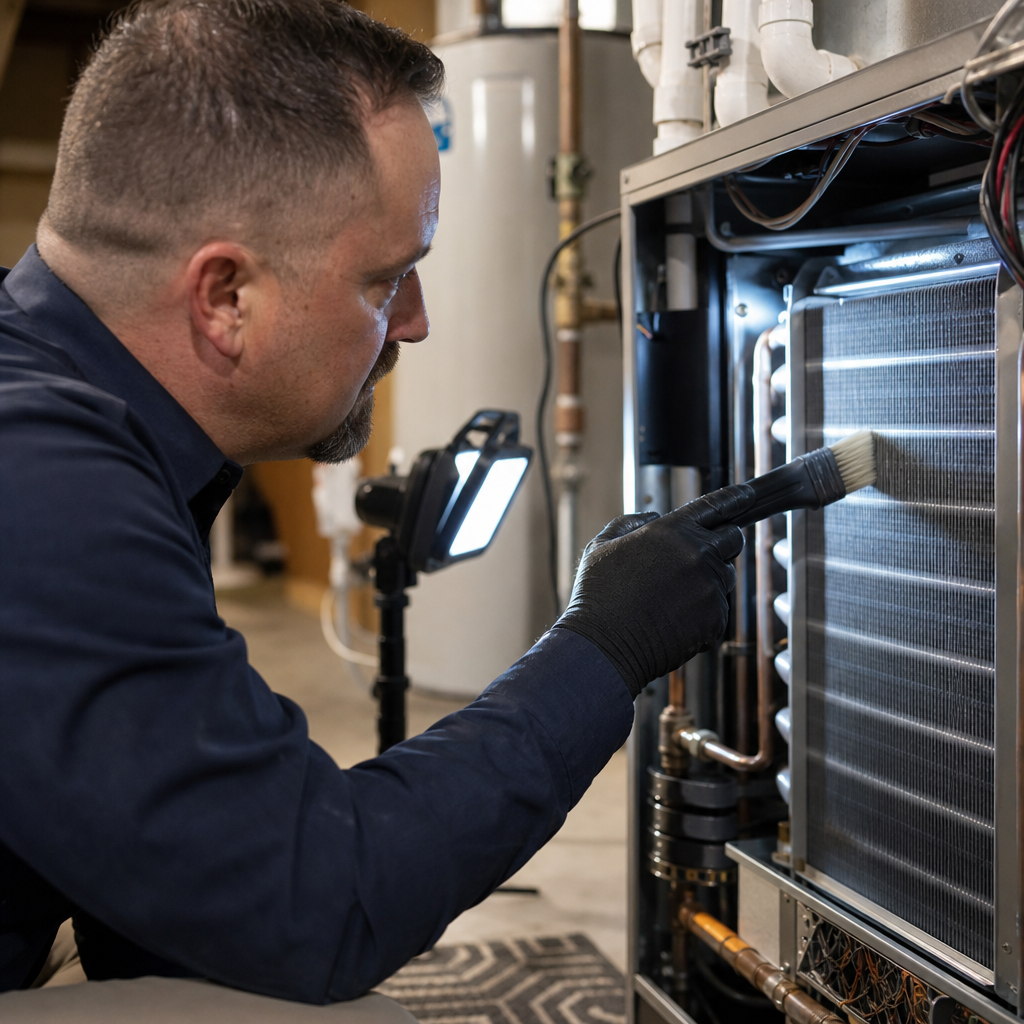
According to the EPA, there is little evidence that cleaning only the ductwork improves your system’s efficiency or prevents health issues. However, when you clean the entire heating and cooling system, including the cooling coils, blower fans, and heat exchangers, you can see a noticeable difference in how your system runs. If your home has visible mold, pest infestations, or heavy debris buildup, a thorough clean by a professional team like Summit Air Duct Cleaning Service Springfield is highly beneficial.
What Are the Real Benefits of Cleaning Ducts?
What Are the Real Benefits of Cleaning Ducts? in brief: The main benefits of cleaning ducts include cleaner indoor air, less household dust, and potentially better HVAC performance when other components are cleaned. While the EPA states that cleaning only the ducts has little evidence of improving efficiency, cleaning the coils, fans, and heat exchangers can improve overall system efficiency by up to 20%, reducing strain on your heating and cooling systems.[2]
Professional duct cleaning removes accumulated dust, allergens, and moisture-binding debris to improve indoor air quality in specific cases. By eliminating these deep-seated contaminants, homeowners can enjoy a cleaner living space, reduced airborne irritants, and a more responsive heating and cooling system throughout the changing New England seasons.
At-a-Glance: Why Clean Ducts Matter
While scientific evidence is insufficient to draw solid conclusions regarding the direct health benefits of duct cleaning alone, the practical advantages emerge when you treat the entire system. Standard filters cannot reach deep buildup. Over time, seasonal New England humidity turns dry dust into a sticky paste that rotary brushes only smear around; high-power negative-pressure extraction is required to safely remove it.
- Cleaner Air: Eliminates circulating pollen, pet dander, and mold spores that accumulate in the damp-duct cycle.
- Lower Energy Bills: While cleaning only ducts has little evidence of improving efficiency, cleaning other HVAC components such as cooling coils, fans, and heat exchangers can improve overall system efficiency by up to 20%.
- Reduced Dusting: Prevents fine debris from continuously settling on your furniture and floors.
Instead of relying on general franchises that treat ventilation as an afterthought, homeowners should look for qualified professionals who perform comprehensive system cleanings. Ensure any service provider, such as Summit Air Duct Cleaning Service Springfield, cleans all components of the system and follows proper containment procedures.[4]
The New England Damp-Duct Cycle: Why Standard Cleanings Fail
Need benefits of cleaning ducts?
We’re available now — call for a fast, free estimate.
Standard duct cleanings often fail in New England because seasonal humidity transforms dry household dust into a sticky paste that clings stubbornly to metal vents. While generic brush cleanings merely smear this residue, negative-pressure extraction safely pulls the contaminants out of your home. This thorough process unlocks the true advantages of duct cleaning.
The Humidity and Dust Connection
In the Pioneer Valley, high seasonal humidity mixes with airborne dust, pet dander, and pollen, turning dry debris into an adhesive grime. National carpet-cleaning franchises often treat ductwork as an afterthought, using basic rotary brushes that merely smear this damp paste around. This agitation can backfire. Studies have shown that even when duct cleaning is highly efficient at removing contaminants within the ducts, the effectiveness of reducing indoor air pollutants is highly variable, and post-cleaning contaminant levels can sometimes be higher than pre-cleaning levels. Commercial facility managers in Chicopee and Holyoke face these same sticky dust challenges in larger commercial ventilation systems, where improper agitation easily compromises indoor air quality.[1]
Why Negative-Pressure Extraction is the Only Solution
To safely capture this stubborn grime, professional technicians use a sealed, high-powered vacuum system. This systematic approach ensures contaminants are removed without escaping into your living spaces:
- The entire duct system is sealed to create a continuous vacuum.
- A high-power, HEPA-filtered negative-pressure extraction machine is connected directly to the main trunk line.
- Pneumatic whips and air washes dislodge the sticky paste, pulling it directly out of the home.
While some sources claim energy savings, the EPA states there is little evidence that cleaning only the ducts will improve efficiency, clarifying that efficiency gains come from cleaning cooling coils, fans, and heat exchangers, not ducts alone. The EPA also notes that most instances of poor indoor air quality have little to do with the home’s air ducts. To capture the full health benefits of duct cleaning and maximize system efficiency, cleaning components like cooling coils, fans, and heat exchangers is essential, which is why the benefits of furnace cleaning should never be overlooked.
| Feature | Professional Negative-Pressure | Generic Rotary Brushes | DIY Cleaning |
|---|---|---|---|
| Dust Containment | ✓ High (Sealed) | ✗ Low (Disperses) | ✗ None |
| Paste Removal | ✓ Complete | ✗ Smeared | ✗ Ineffective |
| Component Scope | ✓ Full HVAC System | ✗ Vents Only | ✗ Vents Only |
Duct cleaning is not a cure-all for indoor air quality. If you do not address basement moisture or change your filters regularly, the dust will simply return.
EPA Position on Duct Cleaning Claims
While some industry marketing sources claim significant energy savings and health improvements from duct cleaning, the EPA maintains that scientific evidence is insufficient to confirm that duct cleaning alone improves indoor air quality, health, or energy savings. In fact, the EPA and other researchers note that if duct cleaning is done improperly, it can actually cause post-cleaning pollutant levels to increase by releasing dust and other contaminants that were previously trapped.
For homeowners seeking to address these issues, professional negative-pressure extraction and complete component cleaning are recommended. It is important to choose a qualified technician, such as Summit Air Duct Cleaning Service Springfield, who will thoroughly clean the entire HVAC system.
What Are the Health Benefits of Cleaning Air Ducts?
What Are the Health Benefits of Cleaning Air Ducts? in brief: While dirty air ducts do not directly cause illness, the EPA states that studies do not conclusively demonstrate that dirty ducts increase particle levels in homes. For individuals with asthma, allergies, or respiratory sensitivities, professional cleaning of the entire HVAC system may remove hidden biological contaminants in specific cases, providing relief and a healthier breathing environment.
The health benefits of duct cleaning depend heavily on the actual condition of your heating and cooling system. According to the Environmental Protection Agency (EPA), most instances of poor indoor air quality have little to do with the home’s air ducts, and routine cleaning provides no measurable benefits for most people. However, the EPA recommends professional intervention when there is substantial visible mold growth, rodent or insect infestations, or a heavy buildup of debris.
Can Dirty Air Ducts Make You Sick?
While dusty vents rarely cause direct illness in healthy individuals, and studies do not conclusively demonstrate that dirty ducts increase particle levels in homes, they can act as reservoirs for environmental triggers. In the Pioneer Valley, damp New England basements regularly introduce moisture into neglected ductwork. This moisture mixes with household dust, creating a breeding ground for biological contaminants that can be blown into your living spaces.
Mitigating Allergens, Mold, and Respiratory Triggers
To break this cycle and capture the true advantages of duct cleaning, homeowners must address both the debris and the underlying moisture. Using specialized negative-pressure extraction and safe, professional cleaning methods can help eliminate mold spores at the source.
According to EPA guidance, routine cleaning is not recommended, and air ducts should be cleaned only as needed (such as when there is visible mold, pests, or excessive debris). When scheduling this maintenance, combining it with the cleaning of other furnace components ensures that the entire HVAC system remains free of biological growth.[5]
Beyond the Vents: Why Cleaning Blower Motors and Coils Matters
Need benefits of cleaning ducts?
We’re available now — call for a fast, free estimate.
Cleaning only your registers is like washing a car’s windshield while leaving the engine caked in mud. For true system efficiency, a complete cleaning must target the blower motor and evaporator coils where the heaviest, sticky residue accumulates.
The Core Components of an Efficient HVAC System
Focusing solely on vents misses the heart of your system. According to the EPA, indoor air can be 2 to 5 times more polluted than outside air. When New England humidity mixes with this dust, it coats your blower fan and coils. Addressing these internal parts is essential to realize the true health benefits of duct cleaning.
How Dirty Coils and Blowers Drain Your Wallet
Clogged components force your system to work harder. According to the U.S. Department of Energy, 25-40% of HVAC energy is wasted when systems are dirty. However, the EPA states there is little evidence that cleaning only the ducts will improve efficiency, clarifying that efficiency gains (up to 20%) come from cleaning cooling coils, fans, and heat exchangers, not ducts alone. This makes the benefits of furnace cleaning important for surviving harsh winters.
To experience the full advantages of system cleaning, homeowners should ensure that all components of the HVAC system are addressed during the process, a standard practice recommended by Summit Air Duct Cleaning Service Springfield.
What Does Duct Cleaning Cost?
Professional duct cleaning typically costs between $300 and $1,000, depending on system size and complexity. While upfront rates vary, investing in proper removal of sticky New England damp-duct residue prevents system strain, securing long-term energy savings and improved indoor air quality.
Average Price Ranges for Professional Duct Cleaning
| Service Type | Estimated Cost Range | Primary Value |
|---|---|---|
| Standard Duct Cleaning | $300 – $600 | Removes loose dust and allergens |
| Full System & Furnace | $600 – $1,200 | Maximizes the benefits of furnace cleaning |
Why Transparent Pricing Matters
Avoid low-cost “blow-and-go” advertisements that rely on bait-and-switch tactics. According to industry marketing reports, homes with regularly cleaned systems see a reduction in HVAC service calls. Furthermore, the Department of Energy notes that 25-40% of HVAC energy is wasted in dirty systems. To secure the true advantages of duct cleaning and experience the genuine health benefits of duct cleaning, upfront financial transparency is essential.[3]
To realize the benefits of getting ducts cleaned, homeowners should seek transparent pricing and detailed quotes from reputable service providers before work begins.
Frequently Asked Questions About Duct Cleaning
Professional duct cleaning is highly effective when it uses negative-pressure extraction to remove the sticky, moisture-laden debris common in New England. This thorough approach ensures you experience the true benefits of cleaning ducts rather than just moving dust around.
Is air duct cleaning really worth the money?
For most people, routine cleaning provides no measurable benefits. The EPA emphasizes that most poor indoor air quality is unrelated to air ducts. However, cleaning may be worth the investment on an as-needed basis if you are cleaning the entire HVAC system (including coils, fans, and heat exchangers) or addressing specific issues like mold, pests, or excessive debris.
How often should home air ducts be cleaned?
The EPA recommends cleaning air ducts only on an as-needed basis rather than on a routine schedule. Specific triggers that warrant cleaning include substantial visible mold growth inside the ducts or other components of the HVAC system, pest infestations (such as rodents or insects), or ducts that are clogged with excessive amounts of dust and debris that release particles into the home.
How much does duct cleaning cost?
Pricing depends on your system’s size, accessibility, and layout. To secure the benefits of getting ducts cleaned without overpaying, it is recommended to obtain multiple quotes from qualified professionals like Summit Air Duct Cleaning Service Springfield who provide transparent, itemized pricing.
Need benefits of cleaning ducts?
We’re available now — call for a fast, free estimate.
Sources
- [PDF] DOHS Fact Sheet On HVAC Duct Cleaning – ORS – ors.od.nih.gov (2010)
- Should You Have the Air Ducts in Your Home Cleaned? | US EPA – epa.gov
- Is ventilation duct cleaning useful? A review of the scientific evidence – pubmed.ncbi.nlm.nih.gov
- How HVAC Cleaning Boosts Energy Efficiency and Airflow – nadca.com (2025)
- Slash Your Monthly Energy Bills: The Financial Benefits of Clean Air Ducts | Financial Foundations of America – financialfoundationsofamerica.org
Related reading: Benefits of Furnace Cleaning | 10% Off & Free Estimate | Same-Day Service
Related reading: Ashrae 62.1 | 10% Off & Free Estimate | Same-Day Service
Related reading: Dryer Vent Cleaning Near Me | Call Now-10% Off | Same-Day Service | Free Estimate
Frequently Asked Questions
How can I tell if my New England home's HVAC system has developed the sticky, humidity-bound dust paste mentioned in the article?
You can look for dark filtration lines on carpets near vents, rapid dust buildup on furniture, or a musty odor when your system kicks on. To get a definitive look, Summit Air Duct Cleaning Service Springfield offers free, no-obligation estimates where technicians inspect your system's internal components. Contact them at (877) 542-2150 to schedule an inspection and claim a 10% discount for new service calls.
What should I do to prepare my home before a professional negative-pressure duct cleaning service begins?
You should clear a three-foot path around all supply and return registers, as well as your furnace and outdoor AC units, and secure any pets in a quiet room. When you book a same-day service with Summit Air Duct Cleaning Service Springfield, their technicians will handle all the complex sealing and negative-pressure setup to ensure zero dust escapes into your living space.
How long does a comprehensive, whole-system negative-pressure duct cleaning typically take to complete?
A thorough cleaning that targets the entire HVAC system, including the blower motor, coils, and vents, typically takes between three to five hours depending on your home's size. Summit Air Duct Cleaning Service Springfield provides efficient, same-day service to minimize disruption to your schedule. Call (877) 542-2150 to book your appointment and receive 10% off your first service.
About the author
 |
Sarah Jenkins Sarah Jenkins is an indoor air quality specialist with over eight years of experience working alongside HVAC professionals in the Pioneer Valley. She holds a B.S. in Environmental Science from the University of Massachusetts Amherst and focuses her writing on practical strategies for maintaining healthy, efficient homes. |
Dusty vents or weak airflow at home?
We’re available now — call for a fast, free estimate.
Call Now - Free Estimate